
Introduction
Ever wondered why stuff from the 1920s still pops up in men’s closets, you know? Uh, so that decade wasn’t just about clothes—oh wait, more like people’s lives were changing, money was sorta moving around, and, you know, the whole Jazz Age vibe was everywhere. I guess, honestly, that whole mix ended up being a big part of 1920’s men’s fashion.
From sharp suits to more laid-back sporty things, it kinda set the tone for what we now think of as modern masculinity. Guys, inspired by movie stars back then, moved away from stiff Victorian looks into something a lot bolder and, well, more relaxed. I guess you could say that’s really the heart of 1920’s men’s fashion.
The Roaring Twenties: A New Era of Style
Back in the 1920s, guys, uh, kinda started ditching heavy old-school Edwardian stuff—or, I guess, more formal stuff—in my experience, you know? I think they were really moving towards lighter fabrics and more relaxed fits, and honestly, that shift kinda helped define 1920’s men’s fashion.
Linen and wool suits became the go-to, with soft collars instead of those stiff, starched ones. Not just about comfort—oh wait, maybe more like freedom too—and honestly, that shift ended up being a big part of 1920’s men’s fashion.
Men no longer dressed only for utility; they dressed for social status. Jazz clubs and speakeasies demanded flair — suspenders, silk ties, and fedora hats became essential.
Everyday Clothing in 1920’s Men’s Fashion
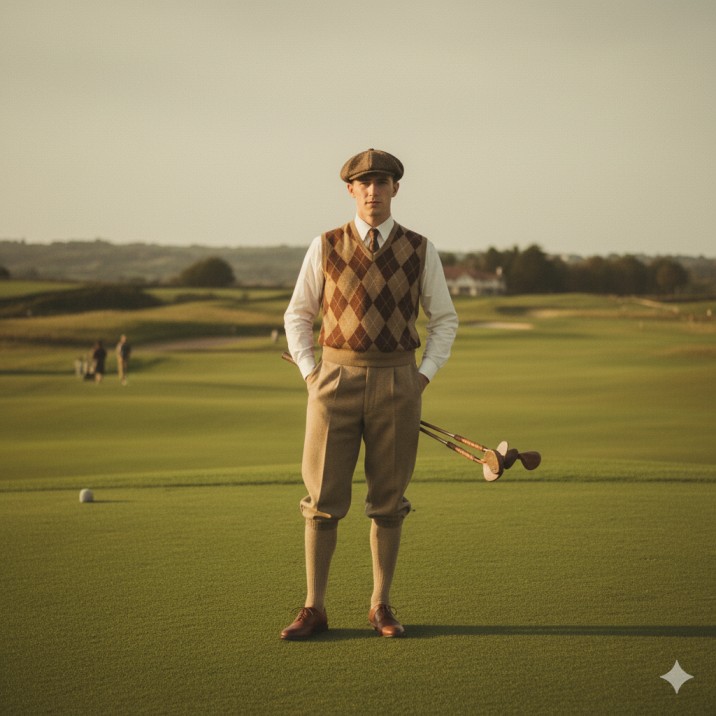
Unlike previous decades, men’s fashion in the 1920s offered variety between formal and casual. At work or social gatherings, most men wore three-piece suits with vests. Yet weekends brought out golf knickers, sweaters, and flat caps — a look often associated with Ivy League students.
Bullet points of common daily wear:
- Shirts: Microfiber blends with pastel-colored removable necklines.
- Shoes: patent leather and two-tone oxfords.
- Headwear: Fedora homburgs and newsboy caps.
A 1928 Sears catalog shows that a complete men’s suit cost around $25 (equivalent to about $400 today), making fashion accessible to the growing middle class.
Accessories That Defined the Era
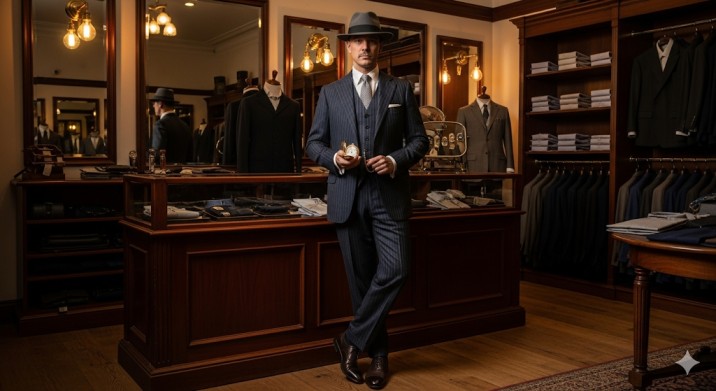
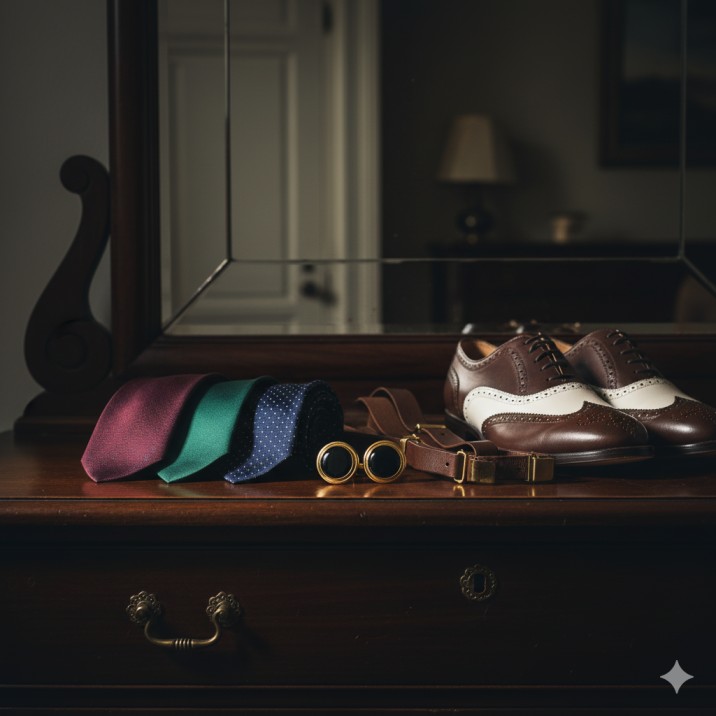
A 1920s suit was incomplete without accessories. Silk ties in bright geometric designs, cufflinks, and pocket squares all improved men’s style. Suspenders were needed because belts were uncommon early in the decade.
Wristwatches gained popularity after WWI when soldiers returned home wearing them. For many young guys, this trend has replaced the pocket watch as a mark of pragmatism and modernity.
Formal Attire in 1920’s Men’s Fashion
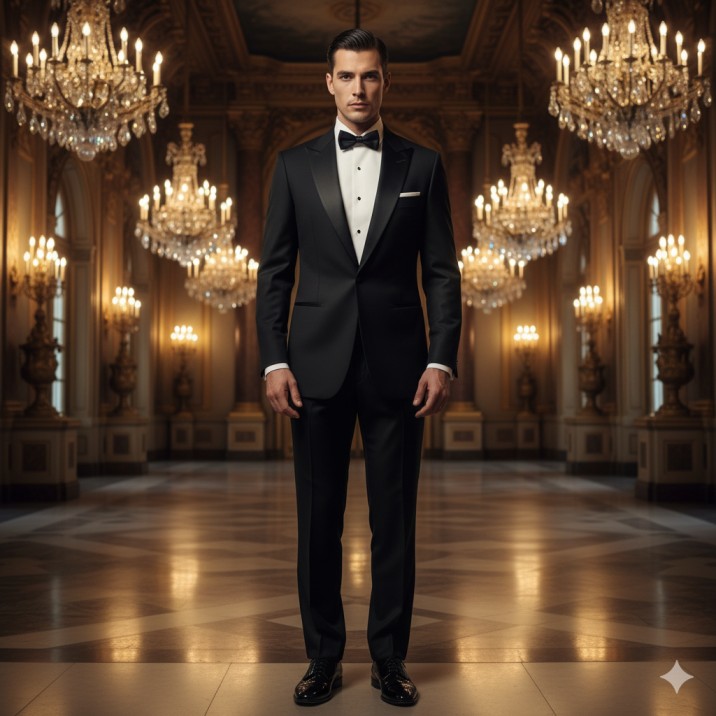
Evening events need improvement. The tuxedo became the most prestigious symbol of riches and status. This look, worn with a black bow tie, flawless white shirt, and patent shoes, typified exclusive parties.
According to a 1927 New York Time article, suits substituted the customary tailcoat for events that were formal. Men loved sleek clothing which gave them freedom of movement when performing jazz.
Comparison Table:
| Outfit Type | Pros | Cons |
| Tuxedo | Elegant, perfect for formal occasions | Expensive, less versatile |
| Three-piece suit | Stylish and versatile for business & leisure | Slightly restrictive |
| Casual golf wear | Comfortable, trendy for weekends | Not suitable for business |
Hairstyles and Grooming Trends
Uh, so, the slicked-back hairdo… yeah, it was all the rage back then, made with pomades and oils, you know? Honestly, it kinda set the whole vibe for the decade. And, uh, clean-shaven faces totally replaced those beards you’d see in the late 1800s.
I think men back then were really trying to, like, show off youth and brightness… kinda polished but still fresh, I guess.1920’s men’s fashion, in my experience, wasn’t just about clothes—it was, well, everything, including hairstyles.
Fun fact… I read somewhere, a 1929 Cosmopolitan survey said almost 70% of city guys preferred smooth hair with side parts. Kinda interesting, right? Makes you see how much thought went into looking sharp.
Influence of Celebrities and Media
Fashion took inspiration more by Hollywood giants such as Rudolf Valentino and Clark Gable than tailors. Their outfits, hairdo, and accoutrements set the tone for millions. Silent films spread these images worldwide, making style accessible even to men far from fashion capitals.
Based on my research, I suggest looking at how movies still influence trends today — much like TikTok or Instagram drives style in the 21st century.
Social and Cultural Impact of 1920s Fashion
Fashion wasn’t just about appearance; it reflected independence. Prohibition culture meant men needed clothing suited for hidden bars and jazz clubs. Sports also influenced style — tennis sweaters and plus-fours became fashionable even outside athletic circles.
By an agreement of the decade, males had more wardrobe choices than before. Jeans & Trousers makes your look amazing.
Major Takeaways
- Men changed from severe Edwardian attire to casual suits.
- Accessories like suspenders, hats, and wristwatches defined identity.
- Hollywood played a massive role in shaping style.
- Fashion reflected freedom and social transformation.
- 1920s trends still influence modern menswear.
Conclusion
You know… the whole Jazz Age vibe? Uh, it wasn’t just about what guys wore, honestly. It was… like, confidence? A bit of rebellion? And, uh, just kinda showing off your own style, I guess. I mean, 1920’s men’s fashion… wow, even now, it still kinda blows my mind.
In my experience, there’s just something about those sharp suits, the bold ties, and… oh, even tiny details like pocket squares or cufflinks… they just don’t really get old. I think it’s that mix—fancy but casual at the same time. Polished but also, y’know, a little laid-back? Yeah… that’s probably it.
FAQs
Q1: What fabrics were popular for men’s suits in the 1920s?
Well… in my experience, wool and linen were, like, super common. Flannel was kinda becoming a thing too, especially in winter. I guess lighter fabrics were all about comfort and, uh, showing you had modern style. To be truthful 1920s men’s fashion favored a classic style with robust clothing.
Q2: Did men in the 1920s wear belts or suspenders more often?
Hmm… early in the decade, suspenders were kinda the go-to. But, you know, by the late 1920s, belts started popping up more. I think it was just a style shift… like, people wanted something a little easier and cooler, I guess.
Q3: What accessories completed a gentleman’s outfit?
Oh man, pocket squares, cufflinks, silk ties… hats, and wristwatches too. Honestly, in my experience, even tiny things like a cufflink could totally change the look. 1920’s men’s fashion really cared about these small details… makes you feel kinda fancy.
Q4: What was most recognized men’s haircuts of the 1920s?
Umm… the slicked-back style with a side parting, definitely. I think it kinda gave that polished Hollywood vibe. You know… neat but still a little flashy.
Q5: What was the median cost of a men’s jacket during the 1920s?
So, like… a good-quality suit from a catalog? Around $25 back then, which I guess is about $400 now. Not too bad, honestly… especially for something that made you look sharp.
Q6: What was special about 1920’s men’s fashion compared to earlier decades?
Well… it was a big change from those rigid Victorian styles. Comfort, variety, and yeah, a bit of Hollywood glamour. I think 1920’s men’s fashion really started letting guys show a little personality in what they wore… and that’s kinda cool.